Entertainment
Birthday Party Ideas: 25 Creative Themes, Decorations, Games, and Activities

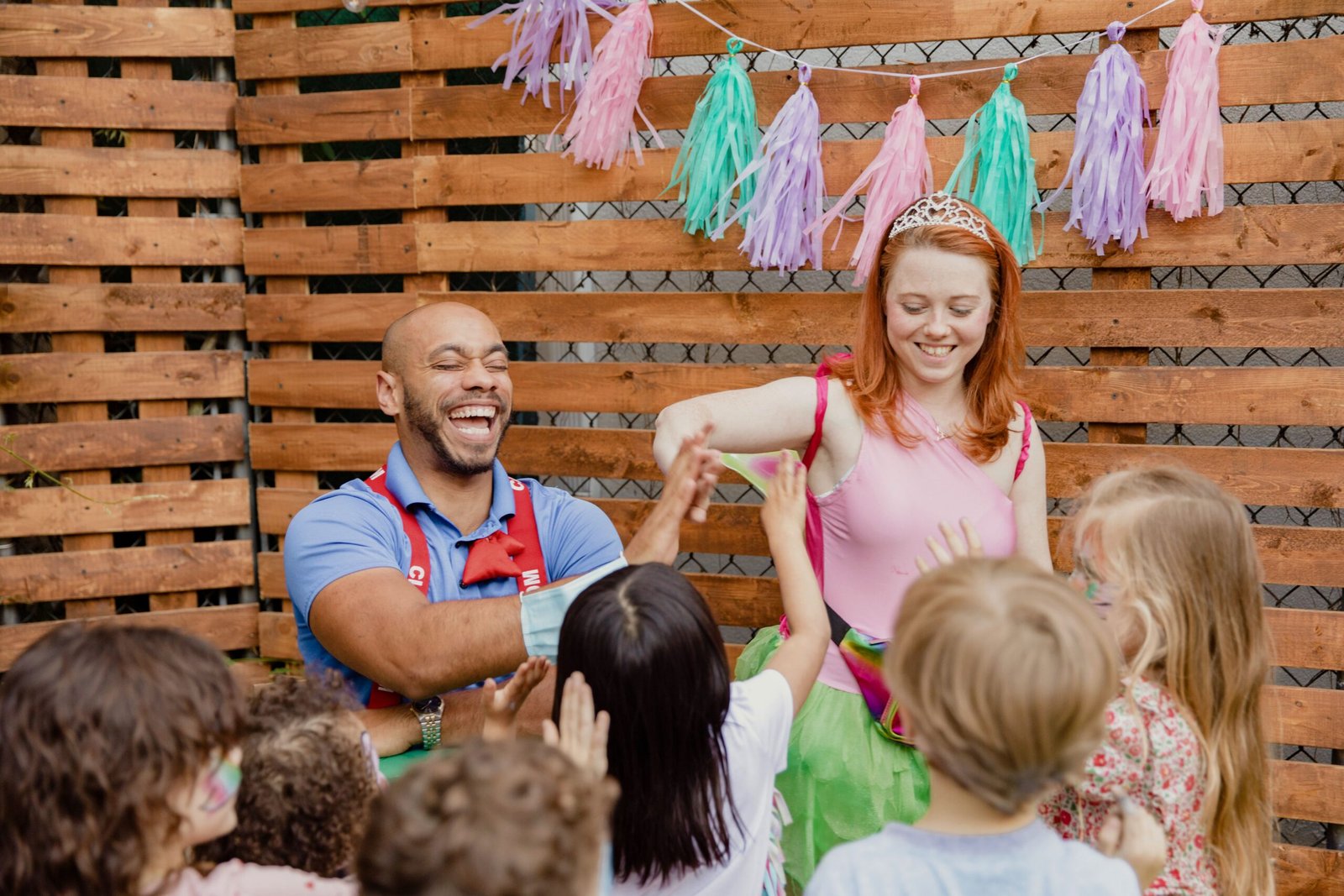
Finding the right birthday party ideas can make someone’s special day more exciting, memorable, and enjoyable. Whether you are planning a celebration for a child, teenager, adult, or family member, the perfect party does not always require an expensive venue or complicated decorations. A little creativity, thoughtful planning, and attention to the birthday person’s interests can turn an ordinary gathering into a wonderful experience.
From colourful themed celebrations and outdoor adventures to elegant dinner parties and fun game nights, there are countless ways to celebrate a birthday. The best approach is to choose activities, food, decorations, and entertainment that match the guest of honour’s personality and the available budget.
In this guide, you will discover 25 creative birthday party ideas, along with decoration suggestions, food inspiration, entertaining games, and practical planning tips. These ideas will help you organize a celebration that guests can enjoy and remember long after the party ends.
1. Choose a Birthday Party Theme
A creative theme gives your celebration a clear direction and makes planning easier. It helps you select matching decorations, invitations, food, activities, and even dress codes. Before choosing a theme, consider the birthday person’s age, interests, favourite colours, and preferred celebration style.
Here are some popular birthday party themes to consider:
Hollywood Glamour Party: Create a red-carpet entrance with gold decorations, a photo backdrop, and stylish outfits.
Tropical Party: Use colourful flowers, palm leaves, tropical drinks, and bright decorations.
Black and Gold Party: Choose elegant black and gold balloons, matching table settings, and stylish lighting.
Superhero Party: Decorate the venue with superhero colours, themed games, and character-inspired accessories.
Garden Party: Arrange flowers, comfortable seating, outdoor lighting, and refreshing snacks.
Retro Party: Bring back the atmosphere of the 1980s or 1990s with nostalgic music, outfits, and decorations.
A well-selected theme makes the celebration feel more organized without requiring every detail to be expensive. Even a simple colour combination can create a beautiful and coordinated birthday atmosphere.
2. Fun Birthday Party Ideas for Kids
Children usually enjoy celebrations that include colourful decorations, exciting games, creative activities, and delicious treats. When planning a children’s birthday party, choose activities that match their age and interests. Keep the schedule flexible so children have enough time to play, eat, and enjoy the celebration.
Some exciting birthday party ideas for kids include:
Superhero Adventure: Let children dress as their favourite superheroes and complete simple adventure challenges.
Treasure Hunt: Hide small prizes around a safe area and provide clues for children to solve.
Arts and Crafts Party: Arrange a creative station where children can decorate picture frames, draw, or make friendship bracelets.
Mini Sports Party: Organize simple football, cricket, or relay games with small prizes.
Puppet Show Party: Arrange a fun puppet performance with interactive storytelling.
Cupcake Decorating: Provide plain cupcakes, colourful icing, and edible decorations so children can create their own treats.
Make sure activities are supervised and suitable for the children’s ages. Keep small objects, food allergens, and potentially dangerous equipment away from younger guests.
3. Unique Birthday Party Ideas for Adults
Adult birthday celebrations can be just as exciting and creative as children’s parties. Instead of following traditional party arrangements, choose an experience that reflects the birthday person’s hobbies, personality, and social preferences. Some people enjoy energetic gatherings, while others prefer intimate celebrations with close friends and family.
Here are some enjoyable options:
Dinner Party: Host a special dinner with favourite dishes, attractive table decorations, and comfortable seating.
Karaoke Night: Invite guests to sing their favourite songs and enjoy friendly musical competition.
Movie Night: Arrange a projector, comfortable cushions, popcorn, and a selection of popular films.
Game Night: Organize board games, card games, quizzes, and team challenges.
Cocktail-Free Mocktail Party: Serve colourful non-alcoholic drinks with creative garnishes and themed decorations.
Murder Mystery Party: Give guests characters and clues to solve an entertaining fictional mystery.
DIY Pizza Party: Let everyone prepare personal pizzas with different toppings and sauces.
The best adult birthday party ideas focus on creating enjoyable moments rather than following expensive trends. A thoughtfully planned evening with good food, meaningful conversations, and entertaining activities can be more memorable than a large celebration.
4. Outdoor Birthday Party Ideas
If you enjoy fresh air and beautiful surroundings, an outdoor birthday celebration can be a wonderful choice. Parks, gardens, beaches, and backyards provide plenty of space for games, decorations, food stations, and group activities. Outdoor parties are especially enjoyable when the weather is comfortable and guests have enough room to relax.
Consider these outdoor birthday party ideas:
Birthday Picnic: Arrange picnic blankets, baskets, sandwiches, fresh fruit, and refreshing drinks.
Backyard Barbecue: Prepare grilled food, outdoor seating, music, and simple party games.
Beach Birthday Party: Enjoy beach games, colourful umbrellas, snacks, and sunset photographs.
Garden Celebration: Decorate an outdoor space with flowers, fairy lights, and comfortable seating.
Camping Birthday: Set up tents, prepare campfire-style activities where permitted, and enjoy storytelling.
Outdoor Movie Night: Create a comfortable viewing area with a projector, blankets, and popcorn.
Always check the weather forecast and prepare an alternative indoor space if necessary. For outdoor celebrations, provide enough shade, drinking water, seating, and appropriate supervision for younger guests.
5. Budget-Friendly Birthday Party Ideas
A memorable birthday celebration does not have to cost a lot of money. You can create an attractive and entertaining party by using affordable decorations, homemade food, and activities that encourage guests to participate. The secret is to spend money on the details that matter most to the birthday person.
Here are some affordable ways to celebrate:
DIY Decoration Party: Make paper banners, colourful signs, and simple balloon arrangements.
Potluck Celebration: Ask guests to bring a favourite homemade dish to share.
Home Movie Night: Use your television or projector to create a cinema-style experience.
Memory Wall: Display photographs and handwritten birthday messages from friends and family.
Homemade Cake Party: Prepare a birthday cake or cupcakes at home instead of ordering expensive desserts.
Music and Dance Party: Create a playlist of favourite songs and arrange a small dance area.
You can also reuse decorations from previous celebrations or borrow suitable party supplies from family members. Setting a spending limit before shopping helps prevent unnecessary expenses and keeps the entire celebration manageable.
6. Birthday Party Ideas at Home
Celebrating at home is a convenient option for people who prefer a private and comfortable environment. You can organize everything according to your schedule, choose your favourite food, and decorate different areas of the house. Home celebrations are also useful when you want to invite close friends and family without renting an expensive venue.
Some creative home birthday party ideas include:
Spa-Themed Party: Arrange relaxing music, face masks, and simple self-care activities.
Cooking Competition: Divide guests into teams and let them prepare creative dishes.
Pajama Party: Invite friends to wear comfortable outfits and enjoy movies, snacks, and games.
Indoor Picnic: Arrange blankets, cushions, baskets, and picnic-style food in your living room.
Memory Celebration: Prepare a slideshow featuring photographs and memorable moments.
DIY Craft Party: Provide painting materials, decorative items, and simple creative projects.
Before the party begins, organize enough seating and clear space for activities. Keep decorations away from candles, electrical equipment, and other potential hazards so everyone can enjoy the celebration comfortably.
7. Creative Birthday Party Food and Cake Ideas
Food is an important part of almost every birthday celebration. A well-planned menu makes guests feel welcome and gives everyone something delicious to enjoy. Instead of preparing too many dishes, choose a selection of snacks, main food items, drinks, and desserts that suit the party theme.
Here are some popular food and dessert ideas:
Custom Birthday Cake: Choose a cake design inspired by the birthday person’s favourite colours, hobbies, or characters.
Cupcake Station: Offer different cupcake flavours with icing and decorative toppings.
Mini Sandwiches: Prepare small sandwiches with different fillings for easy serving.
Pizza and Burger Bar: Allow guests to choose their preferred toppings and combinations.
Fruit and Dessert Table: Arrange fresh fruit, cookies, brownies, and small desserts.
Mocktail Station: Serve colourful non-alcoholic drinks with fruit garnishes.
For a more organized experience, label dishes and clearly identify common allergens. Consider vegetarian options and dietary requirements when planning the menu so every guest has something suitable to enjoy.
8. Exciting Birthday Party Games and Activities
Games and activities help guests interact, laugh, and participate instead of simply sitting around. They are particularly useful when guests do not know one another very well. Choose a combination of activities that match the age group, party size, and available space.
Musical Chairs: Guests move around chairs while music plays and find a seat when it stops.
Birthday Trivia: Ask questions about the birthday person’s favourite things and memorable experiences.
Charades: Let guests act out words, movies, or characters without speaking.
Guess the Song: Play short music clips and ask participants to identify the songs.
Photo Challenge: Give guests creative photography tasks to complete throughout the party.
Pass the Parcel: Pass a wrapped gift while music plays and let the person holding it when the music stops complete a fun challenge.
Dance Competition: Organize a friendly dance contest with small prizes.
Avoid forcing anyone to participate in games if they prefer watching or relaxing. The purpose of party activities is to create a welcoming atmosphere where everyone feels comfortable.
9. How to Plan the Perfect Birthday Party
Choosing great birthday party ideas is only the beginning. Proper planning helps you organize the celebration without unnecessary stress and ensures that important details are not forgotten. Start preparing early, especially if you are inviting many guests or arranging a special venue.
Follow these practical steps to plan your celebration:
Step 1: Set a Budget
Decide how much you can comfortably spend on the venue, food, decorations, cake, entertainment, and other expenses. Keep a small amount aside for unexpected costs.
Step 2: Choose a Date and Venue
Select a convenient date and location based on the birthday person’s preferences and the number of guests. Consider travel arrangements, available space, and weather conditions.
Step 3: Prepare the Guest List
Make a list of the people you want to invite and send invitations early. Include the date, time, location, theme, and any special instructions.
Step 4: Organize Decorations and Food
Choose decorations that match your theme and prepare a menu suitable for your guests. Arrange the cake, snacks, drinks, and serving equipment in advance.
Step 5: Plan Entertainment
Select games, music, activities, or performances that match the celebration. Prepare any necessary equipment before guests arrive.
Step 6: Prepare a Party Schedule
Create a simple schedule for welcoming guests, serving food, playing games, cutting the cake, and taking photographs. Leave enough flexibility for spontaneous moments.
Step 7: Enjoy the Celebration
Once everything is ready, spend time with your guests instead of worrying about every small detail. Remember that the most important part of a birthday party is celebrating the person and creating happy memories together.
10. Birthday Party Decoration Ideas That Make a Difference
Decorations help establish the atmosphere of a birthday celebration and make the venue more attractive. You do not need to decorate every corner of the space to create an impressive result. A few coordinated elements, such as balloons, lighting, banners, and a beautiful cake table, can make a significant difference.
Consider adding these decorative details:
Balloon Arches: Create an attractive entrance or photo backdrop.
Fairy Lights: Add a warm atmosphere to evening celebrations.
Personalized Banners: Display the birthday person’s name and age.
Photo Walls: Arrange memorable pictures from different stages of life.
Table Centrepieces: Use flowers, candles, or themed decorations.
Welcome Signs: Greet guests with a personalized birthday message.
Choose two or three main colours and use them consistently throughout the venue. This creates a coordinated appearance and makes even simple decorations look professionally planned.
Frequently Asked Questions About Birthday Party Ideas
1. What are the best birthday party ideas for adults?
Some popular options include dinner parties, karaoke nights, outdoor picnics, movie nights, game nights, and themed celebrations. The best choice depends on the birthday person’s interests and preferred atmosphere.
2. What are some unique birthday party ideas for kids?
Treasure hunts, superhero adventures, cupcake decorating, arts and crafts, puppet shows, and mini sports competitions are exciting choices. Select activities that are appropriate for the children’s ages and abilities.
3. How can I celebrate a birthday on a low budget?
You can organize a home celebration with homemade decorations, affordable snacks, a DIY cake, and simple party games. Inviting close friends and family can also make the event special without spending too much.
4. What are some good birthday party ideas at home?
Indoor picnics, movie nights, cooking competitions, karaoke, pajama parties, and DIY craft activities are excellent choices. You can personalize the decorations and entertainment according to your available space.
5. How many games should I plan for a birthday party?
For a typical two-to-three-hour celebration, planning three to five short activities is a reasonable starting point. Adjust the number according to the guests’ ages, party size, and schedule.
6. What food should I serve at a birthday party?
Popular options include pizza, sandwiches, burgers, cupcakes, cookies, fruit platters, and birthday cake. Consider your guests’ dietary requirements and provide a suitable variety of food and drinks.
7. How far in advance should I plan a birthday party?
For a small home celebration, one or two weeks may be enough. Larger events involving venues, catering, or many guests are better planned several weeks in advance.
8. How can I make a birthday party memorable?
Personalized decorations, meaningful photographs, favourite music, thoughtful gifts, and interactive activities can make a celebration memorable. Creating opportunities for guests to share messages and memories can also add a personal touch.
Conclusion
Choosing the right birthday party ideas can transform an ordinary celebration into an unforgettable experience. Whether you prefer a colourful children’s party, an elegant adult gathering, an outdoor picnic, or a simple celebration at home, there are plenty of creative ways to make the day special.
The key is to plan according to the birthday person’s personality, interests, guest list, and budget. Focus on enjoyable activities, delicious food, attractive decorations, and opportunities for guests to connect with one another.
Remember that a successful birthday party does not depend on how much money you spend. It is about celebrating meaningful relationships, sharing happiness, and creating beautiful memories that everyone can remember for years.

Learning how to sing is a rewarding experience that allows you to express emotions, develop creativity, and enjoy music in a completely different way. Whether you want to sing your favourite songs, perform in front of an audience, or simply improve your voice, you can develop better singing skills with the right techniques and regular practice.
Many beginners believe that singing well is something people are naturally born with. However, singing is also a learnable skill that involves breathing, pitch control, rhythm, pronunciation, and vocal coordination. With patience and consistent training, you can improve your voice and become more comfortable singing different types of songs.
This beginner-friendly guide explains how to sing step by step, including how to warm up your voice, control your breathing, hit the correct notes, improve your vocal range, and avoid common singing mistakes.
1. Understand the Basics of Singing
Before learning how to sing better, it is important to understand how your voice produces sound. Singing involves airflow from your lungs, vibration of your vocal folds, and resonance through your throat, mouth, and other vocal spaces. These elements work together to create the sounds and tones you hear when someone sings.
Good singing is not simply about having a naturally beautiful voice. It also requires musical awareness, proper technique, and the ability to control your voice. Beginners should focus on developing a comfortable, natural sound instead of trying to imitate professional singers immediately.
Start by listening carefully to your favourite songs and noticing how singers use different pitches, rhythms, and expressions. Pay attention to how they pronounce words and change their vocal intensity. This will help you understand the basic elements of singing before moving towards more advanced techniques.
2. Learn Proper Breathing Techniques
Breathing is one of the most important foundations of singing. Your voice needs a steady flow of air to produce consistent sounds and sustain notes. Without proper breath management, you may run out of air quickly, struggle with longer phrases, or create unnecessary tension in your throat.
Start by standing comfortably with your shoulders relaxed and your spine naturally straight. Place one hand on your chest and another on your abdomen, then breathe in gently through your nose or mouth. Notice how your abdomen expands as you inhale and moves inward as you release the air.
University of Mississippi Medical Center+1
Try this simple breathing exercise every day:
Stand or sit in a comfortable position.
Relax your shoulders, neck, and jaw.
Inhale gently for three or four seconds.
Exhale slowly while making a soft “sss” sound.
Repeat several times without forcing your breath.
This exercise helps you become more aware of your airflow and develop better breath control. Avoid taking excessively large breaths or tightening your stomach because comfortable, controlled breathing is more useful than forcing air into your voice.
3. Warm Up Your Voice Before Singing
Just like athletes prepare their bodies before exercising, singers should warm up their voices before practising or performing. Vocal warm-ups help prepare your voice, encourage flexibility, and reduce unnecessary tension. Starting with difficult or very high notes without warming up can make singing uncomfortable.
Here are some simple vocal warm-up exercises for beginners:
Humming: Close your lips gently and make a comfortable humming sound for a few seconds.
Lip Trills: Relax your lips and gently blow air through them to create a vibrating sound.
Siren Exercise: Slide your voice smoothly from a comfortable low note to a higher note and back down.
Vowel Practice: Sing simple sounds such as “ah,” “ee,” and “oo” at comfortable pitches.
Gentle Scales: Sing a few notes going up and down without forcing your voice.
Spend approximately five to ten minutes warming up before a longer singing session. Keep the volume comfortable and gradually increase the difficulty as your voice becomes more prepared.
4. Improve Your Pitch and Learn to Sing in Tune
Pitch accuracy means singing the correct musical notes instead of accidentally singing higher or lower than the intended sound. It is an essential skill for anyone learning how to sing in tune. Even if you have a naturally pleasant voice, practising pitch recognition can make your singing more accurate and enjoyable.
Start with a piano, keyboard, or reliable pitch-training application. Play one comfortable note, listen carefully, and try to reproduce the same sound with your voice. Record yourself and compare your singing with the original note to identify whether you are singing too high or too low.
Another useful technique is to practise simple musical scales. Begin with a small group of notes and repeat them slowly, paying attention to the distance between each pitch. Do not rush into complicated songs because practising simple melodies accurately can build a stronger musical foundation.
5. Practise Proper Singing Posture and Body Control
Your body plays an important role in producing a clear and comfortable singing voice. Poor posture, tense shoulders, and a stiff neck can make breathing and vocal movement more difficult. A relaxed and balanced position gives you more freedom to manage your airflow and sing naturally.
When standing, keep your feet comfortably apart and distribute your weight evenly. Relax your knees, allow your shoulders to rest naturally, and keep your head balanced rather than pushing your chin forward. If you prefer sitting while practising, sit upright without making your body unnecessarily stiff.
Avoid raising your shoulders every time you breathe or tightening your jaw when reaching higher notes. These habits can create unnecessary tension and interfere with comfortable singing. Practise in front of a mirror occasionally to observe your posture and notice any movements that make your body feel restricted.
6. Learn How to Sing High Notes Without Straining
Many beginners want to learn how to sing high notes because they admire singers with powerful and impressive vocal ranges. However, reaching higher pitches is not about shouting or pushing your voice harder. It requires coordination, comfortable airflow, and gradual practice within your natural vocal range.
Begin by making gentle siren sounds, moving from a comfortable lower pitch towards a higher one and then returning smoothly. Keep your throat relaxed and avoid lifting your chin or tightening your neck to reach difficult notes. If a particular note feels uncomfortable, return to an easier pitch rather than forcing it.
It is also important to understand that every singer has an individual vocal range. You do not need to sing extremely high or low notes to become a good singer. Developing control, consistency, and a healthy sound within your comfortable range should come first.
7. Practise Song Pronunciation, Rhythm, and Expression
Good singing involves more than hitting the correct notes. Listeners also connect with the words, rhythm, and emotions behind a song. Clear pronunciation helps people understand your lyrics, while expressive singing makes your performance more interesting and memorable.
Choose a simple song that matches your current vocal range and listen to the original recording several times. Read the lyrics separately, identify difficult words, and practise speaking them clearly before singing. Once you understand the words, sing slowly while paying attention to the rhythm and timing.
After becoming comfortable with the melody, experiment with emotional expression. Some lines may require a softer sound, while others may need more energy or emphasis. However, avoid exaggerating every note because natural expression often creates a more convincing performance.
8. Create a Daily Singing Practice Routine
Regular practice is one of the most effective ways to improve your singing ability. Instead of practising for several hours once a week, beginners can benefit from shorter, focused sessions throughout the week. A simple routine helps you develop consistency without unnecessarily tiring your voice.
Here is an example of a beginner-friendly 20-minute daily singing routine:
| Practice Activity | Time |
|---|---|
| Relaxation and breathing | 3 minutes |
| Gentle vocal warm-ups | 5 minutes |
| Pitch and scale exercises | 4 minutes |
| Song practice | 6 minutes |
| Recording and self-review | 2 minutes |
| Total | 20 minutes |
Record a short section of your singing regularly and listen for improvements in pitch, pronunciation, timing, and confidence. Keep notes about the areas that need attention so you can focus your next practice session on a specific skill.
If your voice becomes tired, painful, or persistently hoarse, stop practising and allow it to recover. Consistency is valuable, but healthy vocal habits are more important than practising through discomfort.
9. Common Singing Mistakes Beginners Should Avoid
When learning how to sing, beginners often make mistakes that slow down their progress. These mistakes usually happen because new singers try to improve too quickly, imitate professional performers, or use techniques that create unnecessary vocal tension. Recognising these habits can help you develop better singing skills.
Here are some common mistakes to avoid:
Singing too loudly: More volume does not automatically mean better singing.
Skipping warm-ups: Begin with gentle exercises before practising difficult songs.
Holding your breath: Maintain a comfortable and steady flow of air.
Forcing high notes: Work gradually within your natural vocal range.
Ignoring pitch accuracy: Practise matching notes before attempting complicated melodies.
Singing with a tense throat: Keep your neck, jaw, and shoulders relaxed.
Practising without feedback: Record your voice to identify areas for improvement.
Choosing difficult songs too early: Start with simple melodies that suit your current ability.
Remember that becoming a better singer takes time. Instead of expecting immediate results, focus on improving one technique at a time and celebrate small improvements during your learning journey.
Frequently Asked Questions About How to Sing
1. Can anyone learn how to sing?
Yes, most people can develop their singing abilities through regular practice and proper instruction. Natural vocal differences exist, but breathing, pitch accuracy, rhythm, and vocal coordination can all be practised and improved.
2. How can I learn to sing as a beginner?
Start by learning proper breathing, practising gentle vocal warm-ups, and matching simple musical notes. Choose an easy song within your comfortable vocal range and practise regularly while recording your progress.
3. How long does it take to become a good singer?
There is no fixed timeline because progress depends on your starting ability, practice habits, and training methods. Some improvements may become noticeable within a few weeks, while developing advanced vocal control can take years.
4. How can I improve my singing voice naturally?
Practise regularly, maintain good posture, warm up before singing, and work on pitch accuracy. Staying hydrated and avoiding excessive shouting can also help you maintain healthy vocal habits.
5. How can I sing high notes easily?
Start with gentle vocal slides and gradually practise higher pitches without forcing your voice. Keep your throat relaxed, use comfortable airflow, and avoid shouting to reach difficult notes.
6. Can I learn how to sing without a singing teacher?
Yes, you can develop basic singing skills through structured exercises, recordings, and online learning resources. However, a qualified singing teacher can provide personalised feedback and help correct technical problems.
7. How many minutes should I practise singing every day?
Beginners can start with 15 to 20 minutes of focused practice per day. You can gradually adjust your routine according to your comfort, progress, and vocal condition.
8. Why does my voice sound different when I record myself?
Your voice sounds different in recordings because you normally hear yourself through both air conduction and vibrations travelling through your head and body. A recording captures the sound travelling through the air, which may initially seem unfamiliar.
Conclusion
Learning how to sing is a journey that requires patience, practice, and a willingness to improve. You do not need a perfect voice or professional musical experience to begin. By understanding breathing techniques, practising vocal warm-ups, improving pitch accuracy, and developing proper posture, you can gradually build a stronger and more confident singing voice.
The most important thing is to practise consistently without putting unnecessary pressure on your vocal cords. Start with simple songs, record your progress, and work on the techniques that need improvement. With dedication and healthy singing habits, you can enjoy music, express yourself, and become a more confident singer over time.


 Blog4 months ago
32kg to lbs: Easy Conversion Guide, Formula, and Practical Examples
- Blog4 months ago
Why Babybelletje Is Gaining Online Attention
- Business4 months ago
The Complete Guide to the Beckenham Appreciation Group
- Tech4 months ago
Software RCSDASSK: Complete Guide for Beginners and Professionals
- Business4 months ago
Business Lawyer Guide: How Legal Experts Help Companies Succeed
- Blog4 months ago
Pista and Pistachio: Understanding the Difference, Benefits, Nutrition, and Uses
- History4 months ago
Boeing 777 Aircraft Guide: Models, Engine Options, Capacity, and Range
- Blog4 months ago
Prince Albert Piercing Explained: Pain, Cost, and Aftercare